Turning Missed Calls Into Booked Plumbing Jobs
Drain Mechanics needed more than a contact form and a phone number. As a plumbing, septic, backflow, and emergency-service contractor, the business receives high-intent enquiries from homeowners, builders, and commercial customers who often need help now - not after the office catches up. Vareweb mapped that demand into a GoHighLevel automation system built around speed-to-lead, job-type routing, quote follow-up, service reminders, and review generation.
Client
Drain Mechanics
Industry
Plumbing, Septic & Backflow
Platform
GoHighLevel
Services
CRM, Workflows, SMS, Pipelines, Reviews
Timeline
21-Day Automation Build
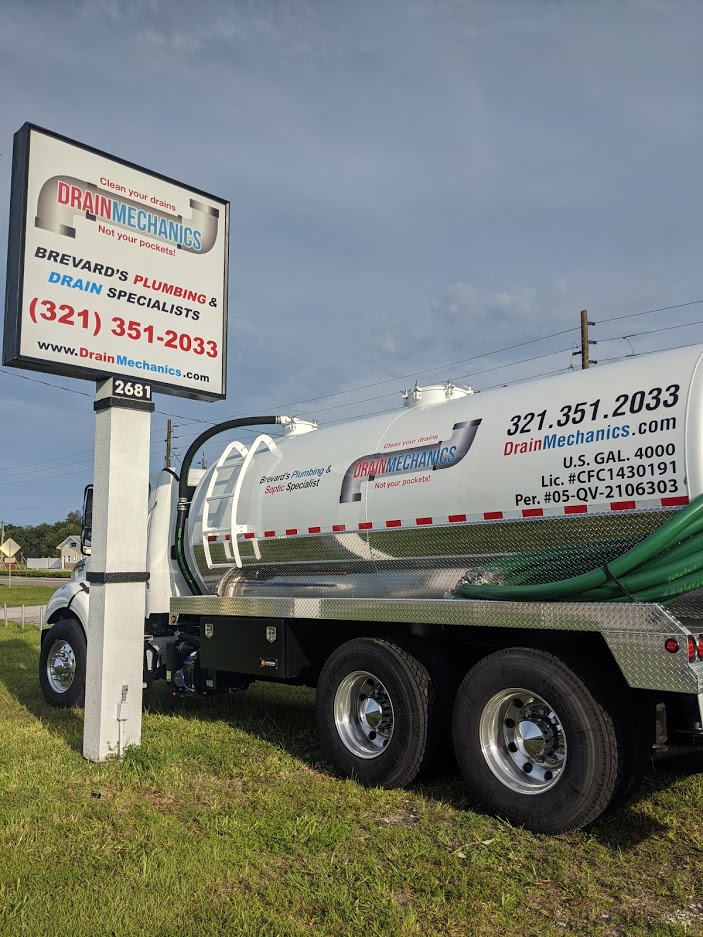
Service Fleet
Brevard's Plumbing & Drain Specialist
Missed-call and emergency enquiry response coverage
Office hours + nights + weekends
Core workflows built for lead capture, booking, reminders, and reviews
No manual copy-paste follow-up
Dedicated pipelines for service calls, septic, and builder bids
Cleaner routing by job type
Target acknowledgement window for new urgent enquiries
SMS + internal alert logic
Lead Recovery Flow
Inbound Call
Customer calls for plumbing, septic, or repair help
Missed Call
After-hours, team on road, busy line, no answer
Auto SMS
Immediate text confirms the enquiry was received
Job Type
Leak, drain, water heater, septic, builder bid
Booked Job
Lead moves into the correct pipeline stage
Automation Priorities
The Challenge
A High-Urgency Service Business Was Losing Time in the Gaps Between Calls, Quotes, Crews, and Follow-Up
For a contractor handling plumbing, septic, grease trap, lift station, backflow, new construction, remodel, and emergency requests, the operational problem is not only getting leads. The harder problem is responding to the right lead with the right next step while the team is already managing field work.
CHALLENGE 01
Emergency Calls Do Not Wait for Office Capacity
Drain cleaning, pipe leaks, toilet failures, water heater problems, shower issues, and septic calls often happen when customers are already stressed. If the call is missed or the callback is delayed, the lead can turn cold quickly. The automation plan had to respond immediately without making the brand feel robotic.
CHALLENGE 02
Different Jobs Needed Different Intake Logic
A faucet replacement, septic pump-out, clogged line, builder bid, medical gas enquiry, and backflow certification cannot be routed through the same generic follow-up path. Each enquiry needed a clean job type, location, urgency, and next-step status inside the CRM.
CHALLENGE 03
Manual Follow-Up Made Every Lead Dependent on Memory
The business had strong trust signals: local experience, plumbing and septic licensing, customer feedback, emergency availability, and multiple direct phone channels. But the sales process still needed automation discipline. Quotes needed follow-up. Completed jobs needed review requests. Service enquiries needed status movement. New builder leads needed bid-focused nurturing. Vareweb built the GHL system to turn those touchpoints into repeatable workflows.
The Solution
A GoHighLevel Operating System for Calls, Quotes, Bookings, Follow-Up, and Reviews
The system was designed around how a field-service team actually works. Leads come in while technicians are driving, on jobs, or after hours. Every automation had to protect response time while keeping office staff in control.
Missed-Call Text Back
Configured a polite, service-specific SMS response for missed calls so urgent leads receive acknowledgement even when the team is unavailable.
Quote Request Routing
Built conditional routing for free estimates, service calls, septic work, builder bids, and backflow enquiries so each contact enters the right pipeline.
Booking & Dispatch Handoff
Added appointment-ready logic for service calls, with staff alerts, confirmation messages, reschedule support, and notes for dispatch review.
Pipeline Architecture
Separated service enquiries into clear stages so the team could see what needed callback, quote, scheduling, follow-up, or closeout.
Review Generation Flow
Triggered review requests after completed jobs, with a delay that gives the customer time to experience the service before being asked.
Maintenance & Reactivation
Created reminders for services that naturally repeat: septic maintenance, water heater care, drain cleaning follow-ups, and backflow testing.
Workflow Architecture
A Visual CRM Pipeline Built for Field-Service Speed
Instead of forcing every enquiry into one inbox, Vareweb organized the operation into stages that match how calls become jobs. The team can move faster because the system already knows the lead type, urgency, source, service area, and last touchpoint.
Drain Mechanics · GHL Pipeline
New Lead
Missed Call
Auto text + contact record
Quote Request
Service type captured
Emergency
Priority tag applied
Needs Callback
Office Alert
Assigned to staff queue
Second Touch
SMS if no reply
Call Note
Outcome logged
Estimate
Project Detail
Photo / address / scope
Builder Bid
Routed separately
Follow-Up
48-hour check-in
Scheduled
Confirmation
Customer receives SMS
Reminder
Before appointment
Dispatch Note
Job context saved
Completed
Closeout
Stage updated
Service Tag
Future reminders enabled
Internal Note
Issue and work logged
Review / Recall
Review Request
Sent after completion
Maintenance
Septic / water heater reminders
Reactivation
Old quotes re-engaged
Tech Stack
A Lean GHL Setup Built Around the Daily Workload
The build stayed practical: no overbuilt dashboards, no unnecessary AI gimmicks, and no complicated routing the office team would avoid. Every tool served a daily operational purpose.
Core Platform
Communication
Workflows
Reporting
Operational Impact
What Changed After the Automation Build
The goal was not to replace the office team. It was to remove the repetitive work around acknowledgement, routing, reminders, follow-up, and review requests so the team could focus on solving the customer's actual plumbing or septic problem.
Before Automation
Voicemail or delayed callback
After Vareweb GHL Build
Instant SMS acknowledgement with job-type prompt
Before Automation
Mixed with regular messages
After Vareweb GHL Build
Priority tag, urgent wording, and staff alert
Before Automation
Manual review and follow-up
After Vareweb GHL Build
Auto-created opportunity with 48-hour follow-up logic
Before Automation
Same path as consumer leads
After Vareweb GHL Build
Dedicated builder pipeline and bid follow-up
Before Automation
Dependent on manual notes
After Vareweb GHL Build
SMS reminders tied to service type and appointment status
Before Automation
Asked inconsistently
After Vareweb GHL Build
Automated review requests after completed jobs
Before Automation
No organized reactivation
After Vareweb GHL Build
Segmented recall campaigns for repeatable services
Before Automation
Scattered calls, forms, and notes
After Vareweb GHL Build
Single CRM view of every open opportunity
The Process
From Service Intake Mapping to Live GHL Workflows in 21 Days
The project was planned around field-service reality: fast calls, urgent homeowners, technician schedules, quote details, and follow-up that cannot depend on memory.
01 / DISCOVERY
Lead Path Mapping
Mapped how enquiries come in and how each should move through the business.
02 / BUILD
CRM & Pipeline Setup
Structured the GHL account so the team could see lead stage, job type, source, urgency, and owner at a glance.
03 / AUTOMATION
Workflow Deployment
Built the workflows that handle the repetitive parts of the customer journey without removing staff control.
04 / QA
Testing & Handoff
Tested every trigger, message, branch, and pipeline movement before handing the system to the team.
One System for Calls, Quotes, Jobs, Follow-Up, and Reviews
For a home-service business, automation works only when it fits the daily rhythm of the office and the field team. This GHL build gave Drain Mechanics a central operating layer for the customer journey.
The goal was simple: when a homeowner has a leak, a clog, or a septic problem, the system should respond before that customer feels ignored. Good automation does not sound like automation. It sounds like a business that is paying attention.
Vareweb Automation Team
GoHighLevel CRM & Workflow Build
More Ways Vareweb Builds Revenue Systems
Frost Buttercream
An elegant Shopify build for a gourmet frosting brand, focused on product education, reviews, recipes, and conversion-ready product pages.
View Case Study Real Estate SEOJosie Owusu Realty
A real estate SEO campaign built around on-page optimization, blog publishing, backlink creation, and a scalable listing-page roadmap.
View Case StudyMissed Calls Should Not Become Missed Revenue
Vareweb builds GoHighLevel systems for service businesses that need faster lead response, cleaner pipelines, smarter follow-up, and better review generation without adding more manual work to the team.